
Protein bars have become an essential snack for many people who lead active lifestyles. Whether you are an athlete, a fitness enthusiast, or someone simply looking to maintain a balanced diet, protein bars can be a convenient and effective way to meet your nutritional needs. However, with so many options available on the market, choosing the perfect protein bar can feel overwhelming. This article will guide you through key factors to consider when selecting a protein bar that aligns with your fitness goals.
Understand Your Fitness Goals
Before picking a protein bar, it’s important to clarify your fitness objectives. Are you trying to build muscle, lose weight, or simply maintain your current health? Different protein bars are formulated to support different goals. For example, bars designed for muscle gain tend to have higher protein content and calories, while bars for weight management usually have fewer calories and added fiber to promote fullness.
Check the Protein Content
Protein is the main ingredient that sets protein bars apart from other snacks. Most protein bars contain between 10 to 30 grams of protein per serving. If your goal is muscle building or recovery after workouts, aim for bars with at least 20 grams of high-quality protein from sources like whey, casein, or plant-based proteins such as pea or soy.
For general snacking or meal replacement, 10 to 15 grams of protein per bar may be sufficient. It’s also good to look at the amino acid profile if available, since a complete amino acid profile supports muscle repair and growth better.
Consider the Ingredients List
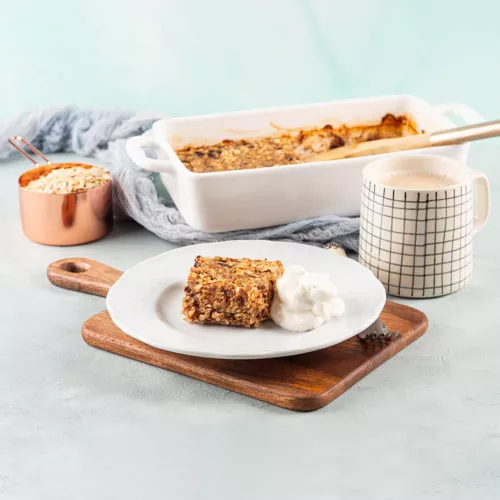
A clean ingredient list is a sign of a good-quality protein bar. Avoid bars with excessive added sugars, artificial flavors, preservatives, and fillers. Opt for bars made with natural ingredients such as nuts, seeds, dried fruits, and natural sweeteners like honey or maple syrup.
Additionally, consider any dietary restrictions or preferences you have. Many protein bars cater to specific needs, including gluten-free, dairy-free, vegan, or keto-friendly options.
Pay Attention to Calories and Macros
Depending on your fitness goals, the calorie content and macronutrient balance of the bar matter. For weight loss, look for lower-calorie bars with higher protein and fiber content to keep you full longer. If you need energy for endurance activities, bars with balanced carbohydrates and fats can provide sustained fuel.
Taste and Texture Matter
Even the healthiest protein bar won’t satisfy you if you don’t enjoy eating it. Many brands offer a wide range of flavors and textures—from chewy fruit-and-nut bars to crunchy chocolate-coated bars. Sampling different types can help you find the perfect match for your palate, which encourages consistent consumption.
Packaging and Portability
Since protein bars are often eaten on the go, consider packaging that is convenient and resealable if possible. This ensures freshness and easy storage, whether you carry them in your gym bag, purse, or office drawer.
When to Eat Protein Bars
Timing can enhance the benefits of protein bars. Consuming one post-workout helps kickstart muscle recovery, while eating them as a snack between meals can prevent overeating and maintain energy levels. Some protein bars are designed as meal replacements for busy days when you don’t have time for a full meal.
Final Thoughts
Choosing the perfect protein bar depends on your individual fitness goals, dietary needs, and taste preferences. By focusing on quality protein content, clean ingredients, and balanced nutrition, you can find a protein bar that not only supports your health but also fits seamlessly into your lifestyle. Remember, the best protein bar is one you enjoy eating and that helps you stay on track with your fitness journey.


